
 1300 789 420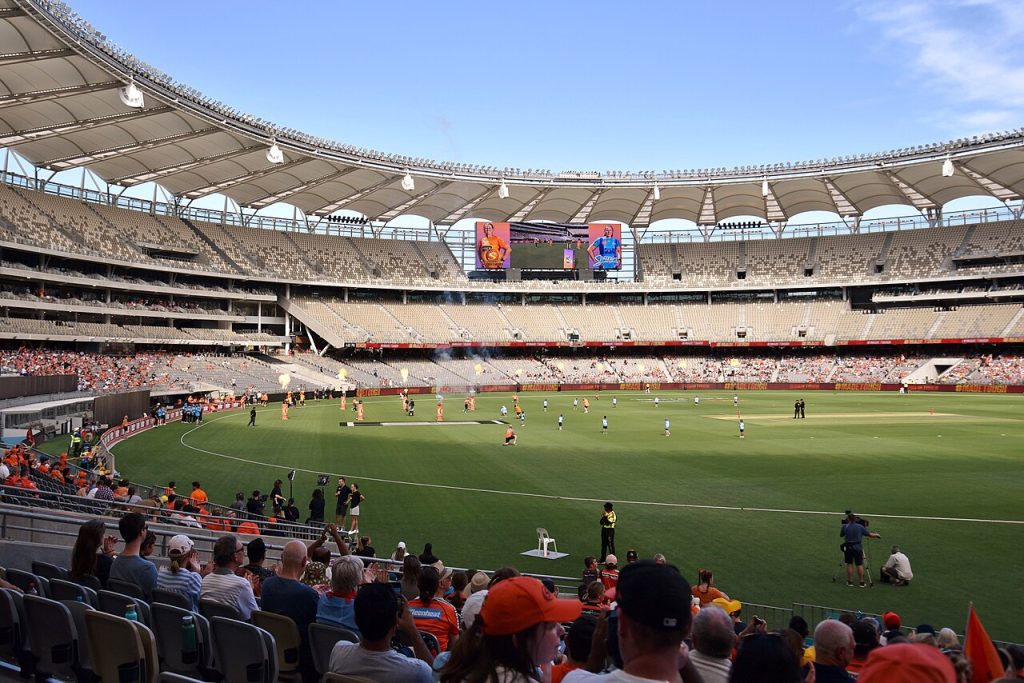
Community spaces and sports facilities are designed to bring people together. They are places where families gather, communities connect, and shared experiences happen in real time. But not everyone gets equal access to these moments. Without proper Community Spaces and Sports Facilities Accessibility, some individuals are unintentionally left on the sidelines. True Accessibility ensures that everyone can be part of the experience, not just observe it.
Community spaces and sports facilities are shared environments
A sports facility is never used by only one group. While athletes or performers of all abilities may be on the court or field, the wider space is filled with families, carers, friends, and supporters.
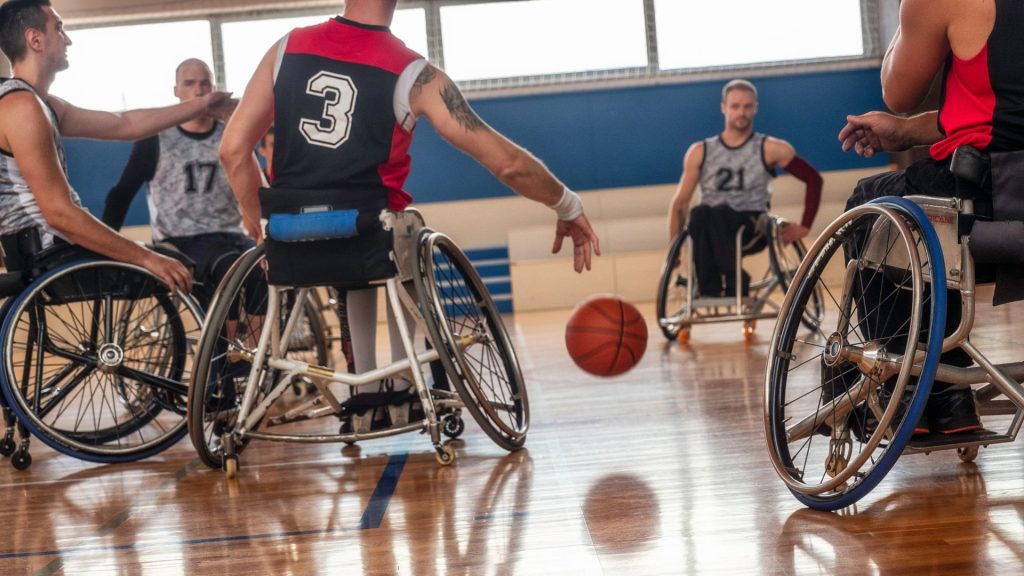
In many cases, these spaces also support inclusive and adaptive sports, where accessible infrastructure is essential for both participants and spectators. This is where accessible facilities become critical. A venue may appear open and inclusive, but without the right infrastructure, not everyone can fully participate or remain in the space comfortably.
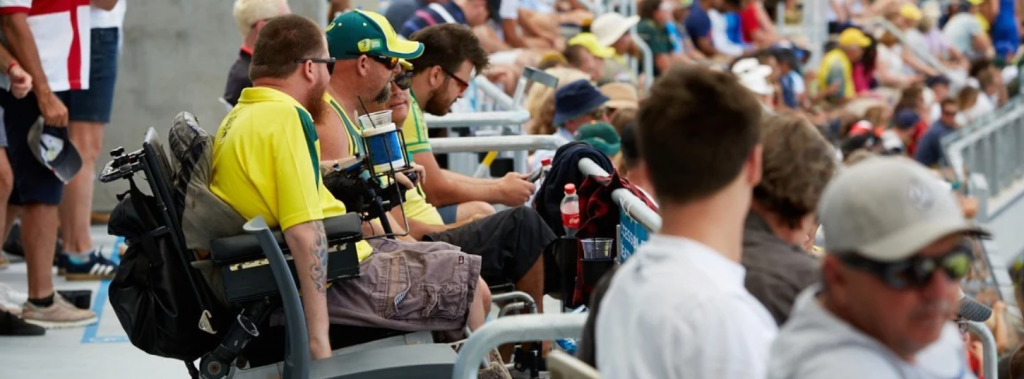
When Accessibility is not built into design, or when Sports Facilities Accessibility is overlooked, it can result in missed opportunities—missing games, missing support moments, or even choosing not to attend at all. These are quiet exclusions, but they have a real impact on community participation.
The role of Changing Places in inclusive design
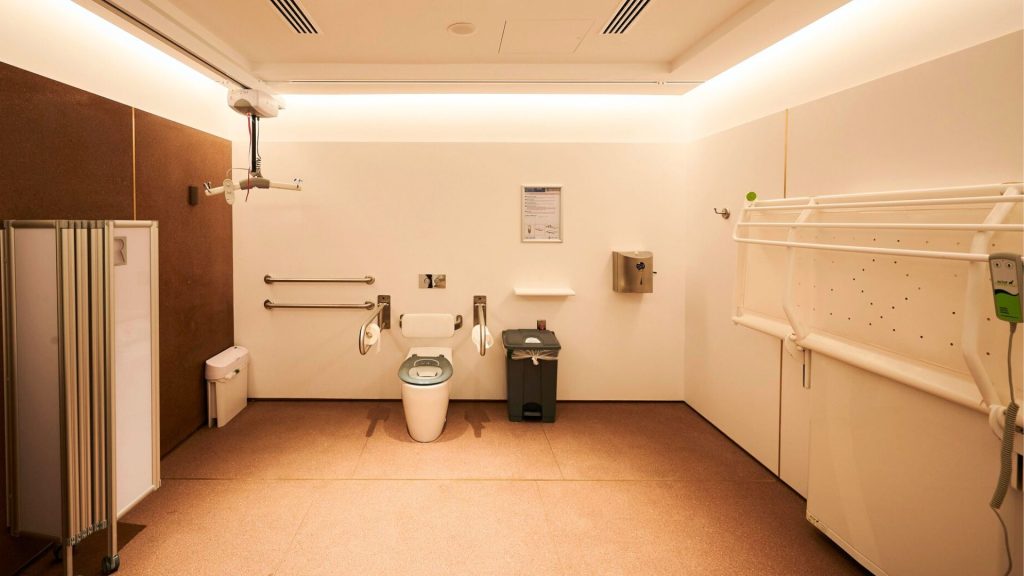
Facilities such as Changing Places are a critical part of inclusive community infrastructure. They are designed specifically for people with high support needs who require more than standard amenities.
These Changing Places facilities include a Changing Table, Ceiling hoists, and appropriate Patient Handling equipment, allowing safe and dignified use of public spaces.
Without accessible facilities like these in community spaces and sports facilities, attending events can become challenging or impossible for some individuals and their families. This limits not just access, but shared participation in everyday community life.
Designing spaces where everyone can take part
Community spaces and sports facilities are environments with diverse users and needs. Good design considers how people move, participate, and experience these spaces together.
For architects, builders, government, and venue owners, prioritising Community Spaces Accessibility and Sports Facilities Accessibility ensures that facilities serve the full community, not just the majority user group.
Inclusive design supports real-life scenarios where families stay together and no one is excluded from participation. Organisations like CHS Healthcare contribute to this goal by providing solutions that support safe and effective Patient Handling in community environments.
When accessibility is embedded from the start, spaces become more functional, welcoming, and inclusive for everyone.
Conclusion
No one should have to sit it out because a space was not designed with them in mind. When Accessibility, Community Spaces Accessibility, and Sports Facilities Accessibility are integrated into design, it allows everyone to participate, support, and belong.
Because the true success of any venue is not just in the event itself, but in everyone who gets to be there to experience it.